
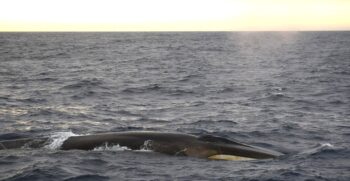
A new study has found that whale calls can decline by up to 50% in response to seismic surveys, which are widely used to locate oil and gas reserves. These findings raise concerns about the impact of such surveys on vulnerable marine species that depend on sound for communication, navigation, and foraging. Published in Scientific Reports, the research shows a sharp drop in fin whale vocalisations along a key migratory corridor off northwestern Spain during periods of seismic activity. The study underscores the need to carefully consider when, where, and how these surveys are conducted to minimise harm to marine life.
Seismic surveys use air guns that release powerful bursts of compressed air at regular intervals. These sound waves travel through the water and into the seabed, then reflect to create detailed images of subsurface geological structures. However, these blasts are among the loudest human-made noises in the ocean and can travel more than 3,000 kilometres from their source. Given their reach and intensity, the timing, frequency, and location of seismic surveys in whale habitats must be managed with care. Measures such as exclusion zones, seasonal restrictions, and the adoption of quieter technologies could help reduce their impact and better protect marine mammal populations.